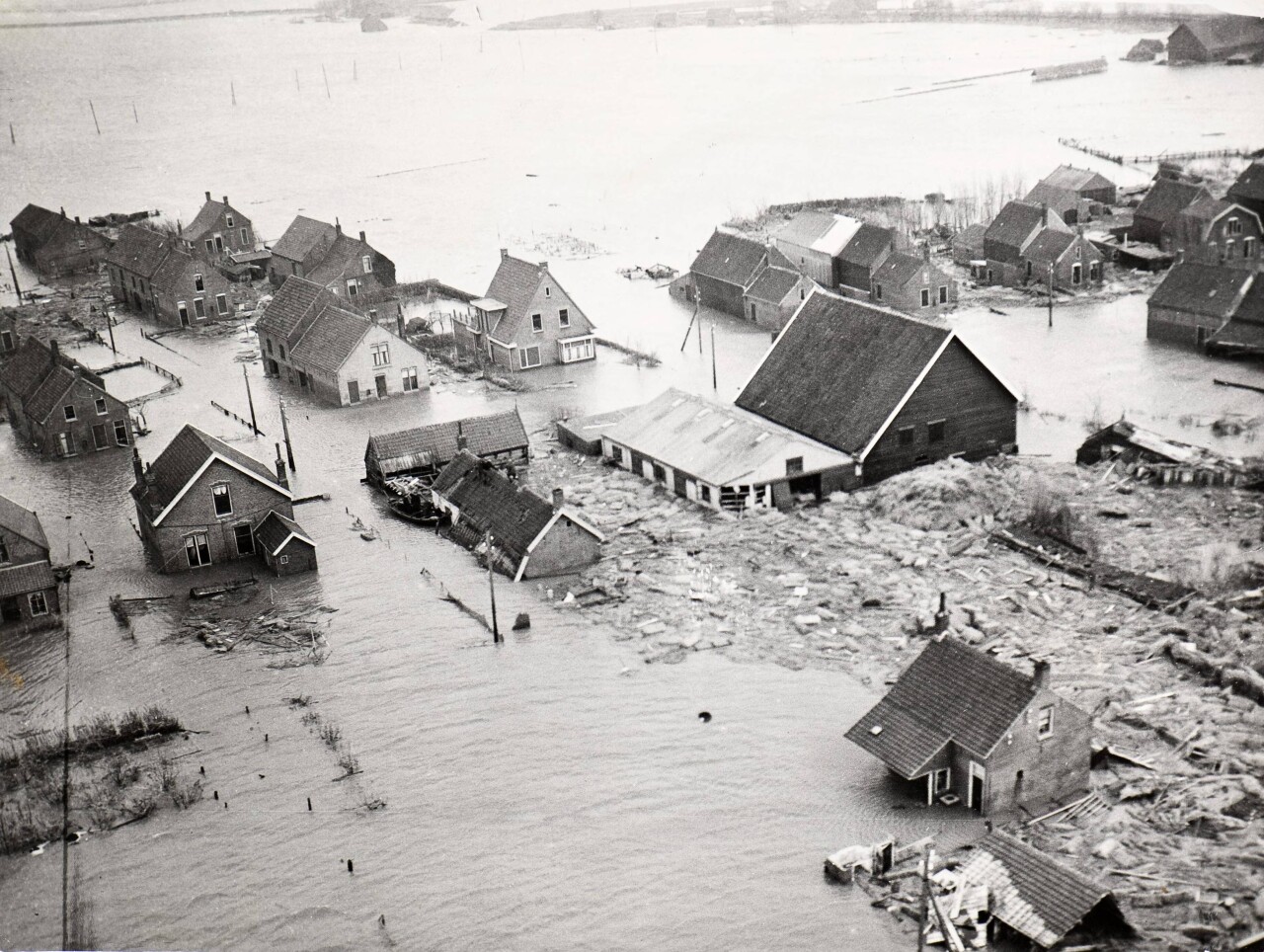
To prepare the Netherlands for sea level rise in the long term, the Sea Level Rise Knowledge Programme has explored different strategies to keep the country safe and habitable: 'protect', 'advance', and combinations of ‘accommodate’ and ‘retreat’.
In deze editie van Water Matters leest u een onderzoek naar de kosten van grootschalig meebewegen met de zeespiegelstijging, één van de denkrichtingen die binnen het Kennisprogramma Zeespiegelstijging wordt uitgewerkt. Centraal staat de vraag: wat zijn de economische consequenties als burgers en bedrijven zich terugtrekken van laag- naar hooggelegen Nederland? In een andere bijdrage krijgt u de resultaten voorgeschoteld van een onderzoek naar de invloed van de klimaatverandering op de biologische waterkwaliteit van het IJsselmeer. Geeft dat problemen voor de drinkwaterproductie? Volgens de KNMI’23-klimaatscenario’s worden de Nederlandse zomers in de toekomst aanzienlijk droger. HKV, KNMI en STOWA ontwikkelden een methodiek waarmee waterbeheerders meteorologische droogte kunnen vertalen naar hydrologische droogte-effecten. Een habitatvergelijking tussen de Oostvaardersplassen en Marker Wadden geeft een aantal handvatten die interessant kunnen zijn voor de inrichting van moerasgebieden, blijkt uit onderzoek van Wageningen Marine Research en Universiteit van Amsterdam. Het verbinden van moerasgebieden met open, dieper water verruimt de habitatkeuze van vissen gedurende het groeiseizoen en hun levenscyclus aanzienlijk. Zijn drinkwaterbedrijven en waterschappen wel goed voorbereid op verstoringen of crises? Het project ‘Diepe Adaptatie voor de Watersector’ zet de eerste stappen naar aanpassingsvermogen op de lange termijn. Een andere toepassing, het modelmatige denkkader ‘Water Matchmaker’, biedt overheden en (drink)waterbedrijven een helpende hand bij het in balans brengen van watervraag en waterbeschikbaarheid - in ruimte, tijd en kwaliteit. En tot slot zetten onderzoekers in het artikel over het programma AquaConnect de nieuwe inzichten op een rij over rwzi-effluent als aanvulling van grondwatervoorraden op de hoge zandgronden.
To prepare the Netherlands for sea level rise in the long term, the Sea Level Rise Knowledge Programme has explored different strategies to keep the country safe and habitable: 'protect', 'advance', and combinations of ‘accommodate’ and ‘retreat’.
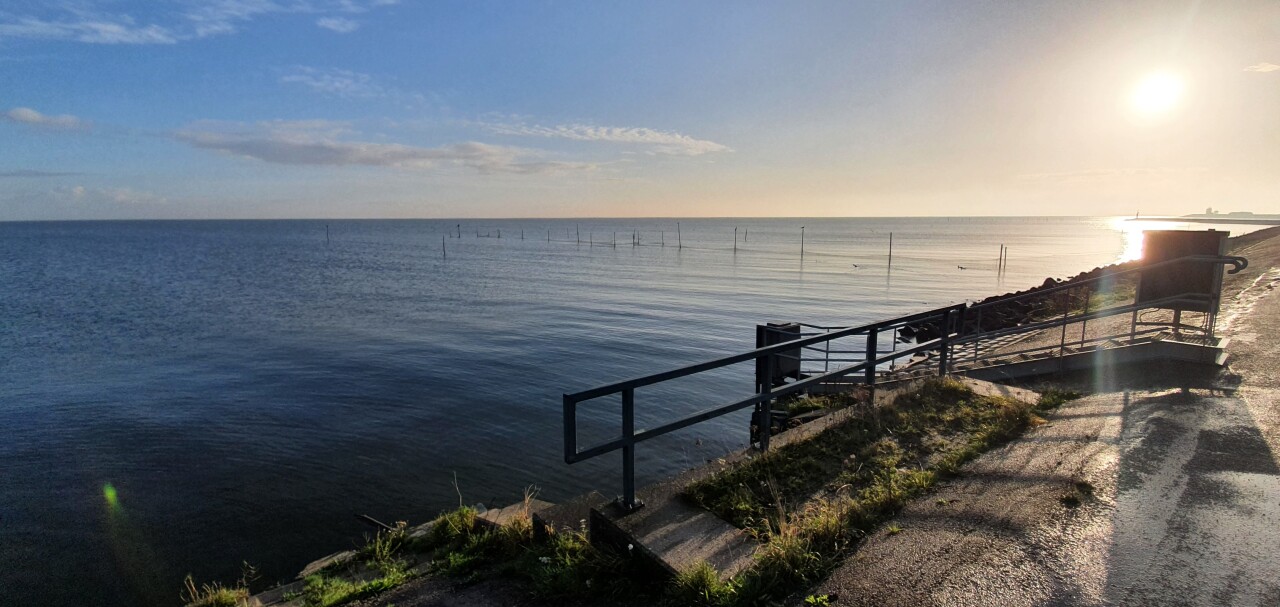
Lake IJssel is an important source of freshwater for the production of drinking water in the Netherlands. How climate change affects the ecological water quality of Lake IJssel, and whether this results in increasing ecological risks and challenges for drinking water production, is largely unclear.
Extremes in dry weather will become more common in the Netherlands, according to a new STOWA study. In this study, drought statistics and associated data products are derived to provide water managers with the building blocks for models, measures and policies for their own areas of operation.
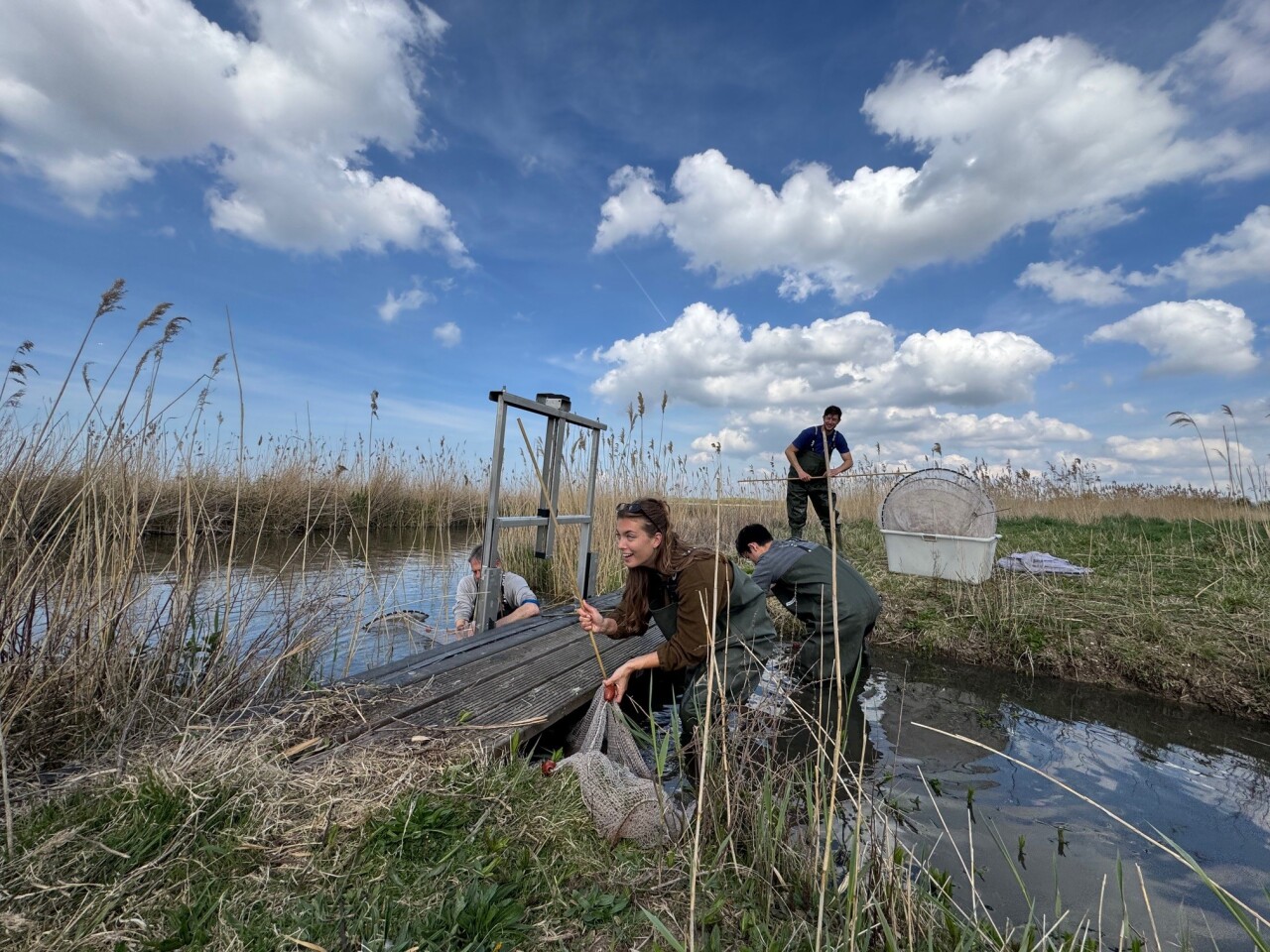
Shallow riparian zones and wetlands are important spawning and nursery areas for juvenile fish and contribute to a species-rich fish fauna. Because such areas were largely lacking in Lake Markermeer, new nature reserves like Marker Wadden have been created, and the possibility of linking the Oostvaardersplassen to Lake Markermeer is being considered.
Major and sudden changes with a lasting impact are a blind spot for the water sector and society. How can drinking water companies and water authorities continue to do their work when the world is changing so drastically? The ‘Deep Adaptation for the Water Sector’ project is taking the first steps toward greater adaptability to radical system changes.
As a result of climate change, demographic growth and increasing competition for freshwater resources, the Dutch freshwater supply chain is under pressure. How do we ensure a fair distribution and water quality that meets everyone's needs? How can we oversee the choices we face and the effects of potential measures? The model-based framework 'Water Matchmaker' aims to support the sector in answering these questions.
During the very dry summers of 2018, 2019 and 2022, the high sandy soils in the east and the south of the Netherlands suffered from major shortages of groundwater for drinking water production, nature and agriculture. For drinking water company Vitens and the regional water authority ‘Vallei en Veluwe’, the question arose whether supplementing groundwater supplies with effluent from wastewater treatment plants was an option.
Water Matters is published by the Royal Dutch Water Network and is made possible by Deltares, KWR Water Research Institute, Haskoning, and the Foundation for Applied Water Research (STOWA).
ADDRESS
Koningskade 40,
2596 AA Den Haag
PUBLISHER
Monique Bekkenutte
(Royal Dutch Water Network)
MANAGING EDITOR
Bert Westenbrink
FINAL EDITING
Nico van der Wel, Jaap Hoeve, Marianne Lankelma
EDITORIAL BOARD
Huib de Vriend (chairman),
Thomas ter Laak, Joachim Rozemeijer, Sigrid Scherrenberg, Michelle Talsma, Jeroen Veraart
DESIGN
Annette Schinkelshoek